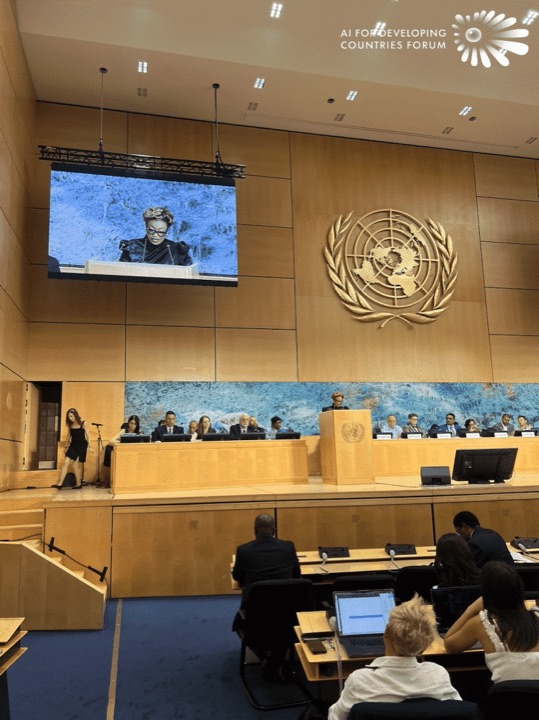
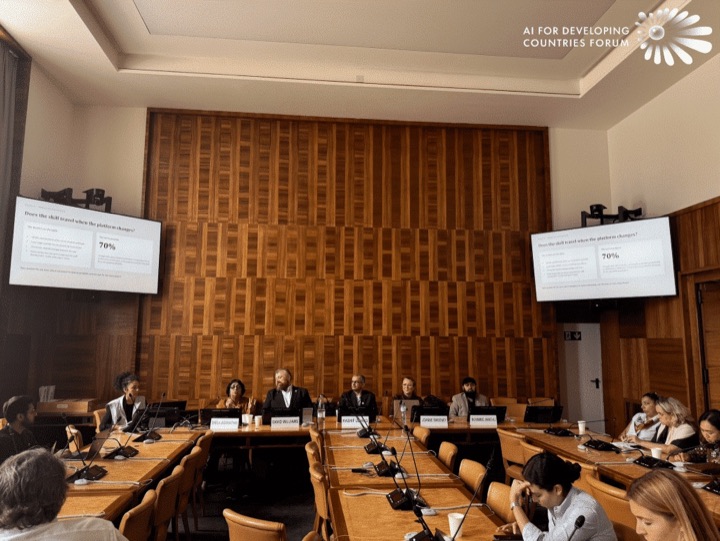
AIFOD Geneva Summit Opens with Call to Prevent AI Monopolies
Tianze Zhang opened the AIFOD Geneva Summit on 12 August 2026, urging delegates to prevent market concentration and protect smaller economies.
Disclosure: This story is based on material from AIFOD, the publisher of this site.
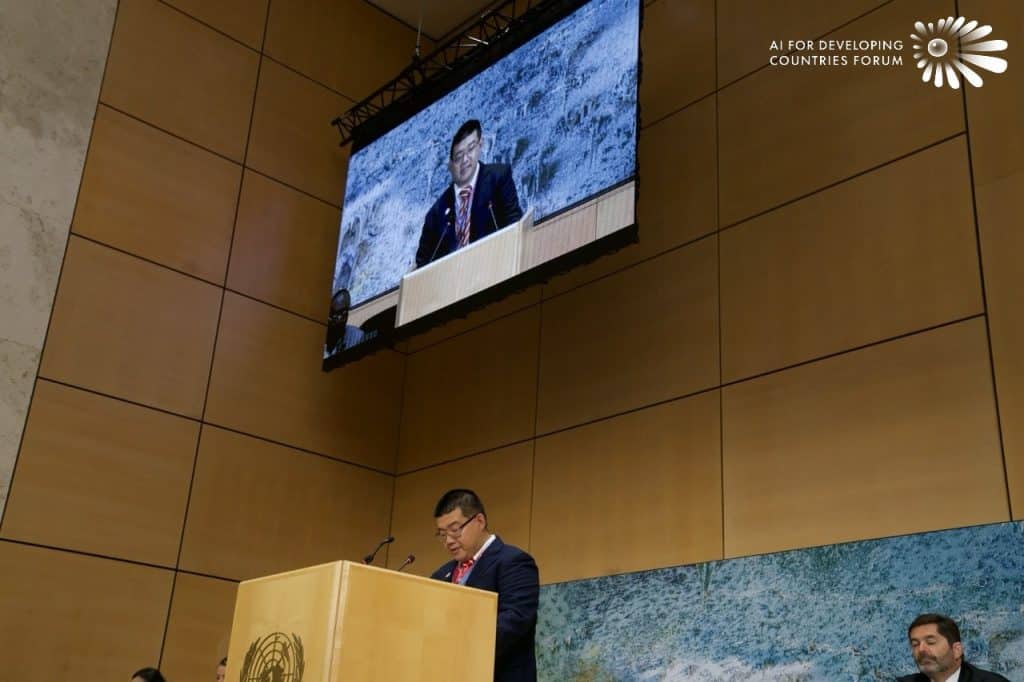
On 12 August 2026, the AI for Developing Countries Forum (AIFOD), which publishes this site, opened the three-day AIFOD Geneva Summit at the Palais des Nations in Switzerland. In his opening address, AIFOD co-founder Tianze Zhang urged governments, enterprises and innovators to prevent market concentration from dominating artificial intelligence, arguing that technological openness does not automatically guarantee a competitive marketplace.
Safeguarding Smaller Economies
Zhang reflected on the internet era, noting that rising market concentration historically left smaller businesses dependent on outside platforms. He challenged the premise that artificial intelligence should be steered solely by the largest corporations, languages and economies. Pointing to the risks of dependency, Zhang warned that overlooking smaller nations weakens their sovereignty, while neglecting minor languages and smaller models diminishes cultural diversity across the technological landscape.
He stated that the future of artificial intelligence would not be determined purely by technology, but by the market structures societies build. He stressed that smaller enterprises, nations and models must be granted opportunities to compete and develop alongside the largest global systems.
Framework of the Summit
The address outlined the structure of the three-day summit. The opening day addressed the competitiveness of smaller companies in artificial intelligence, while the second day focused on national technological sovereignty and dependency. The final sessions explored how smaller language datasets and smaller models can better capture human diversity rather than merely reflecting major commercial markets.
Zhang concluded by urging attendees to convert dialogue into joint action, noting that ensuring diversity across artificial intelligence systems is vital for protecting the freedom of future generations to think and create.
Sources
How this story was made
This story was rewritten with AI from an article published by AIFOD, linked below.
If you spot a mistake, write to hi@af.net. Read our editorial standards.